
Prepared in theory. Ready in practice?
Plans are not enough.
Organisations invest significant time in crisis plans, defined responsibilities, communication procedures and supporting technologies. These are essential foundations, but they cannot show whether an organisation will be able to respond effectively when a crisis occurs.
Gaps often only become visible when plans are put into practice: when people need to be reached quickly, decisions must be made with incomplete information, teams have to coordinate under pressure, or normal communication channels are unavailable.
Crisis Readiness means putting people, processes and systems to the test before a real incident does; identifying weaknesses early, learning from the results and turning those lessons into practical improvements.
What should organisations test?

Alerting & Activation
Can the right people be reached, confirm receipt and be mobilised quickly?

Coordination
Are roles, responsibilities and decision-making authorities clear under pressure?

Communication
Can information be shared quickly, consistently and with the right audiences?

Operating under disruption
Can the organisation continue to communicate, coordinate and document decisions if normal systems are unavailable?
Practical Crisis Readiness Resources
How to use the resources:
1. Choose a capability
Start with the area that is most critical or least recently tested.
2. Put it to the test
Use the guide or checklist with the relevant people under realistic conditions.
3. Document, learn and improve
Document response times, decisions, actions and gaps. Assign owners and deadlines, then repeat the test to verify that the improvements work.
The objective is not to pass a test. It is to identify what needs to improve before a real crisis occurs.
Can you activate your crisis team?

Can you activate your crisis team?
Call-Up Test Guide
Plan and conduct a practical alerting exercise to measure how quickly the crisis team can be reached and fully staffed, including deputy arrangements.
Can your crisis team turn plans into action?

Can your crisis team turn plans into action?
Action Cards Guide
Learn how to turn contingency plans into clear, actionable checklists and structure Action Cards by role, scenario or response phase.
Can you communicate effectively under pressure?

Can you communicate effectively under pressure?
Crisis Communication Checklist
Review the essential steps for coordinating clear, timely and consistent communication during a crisis.
Could you keep operating during a cyberattack?
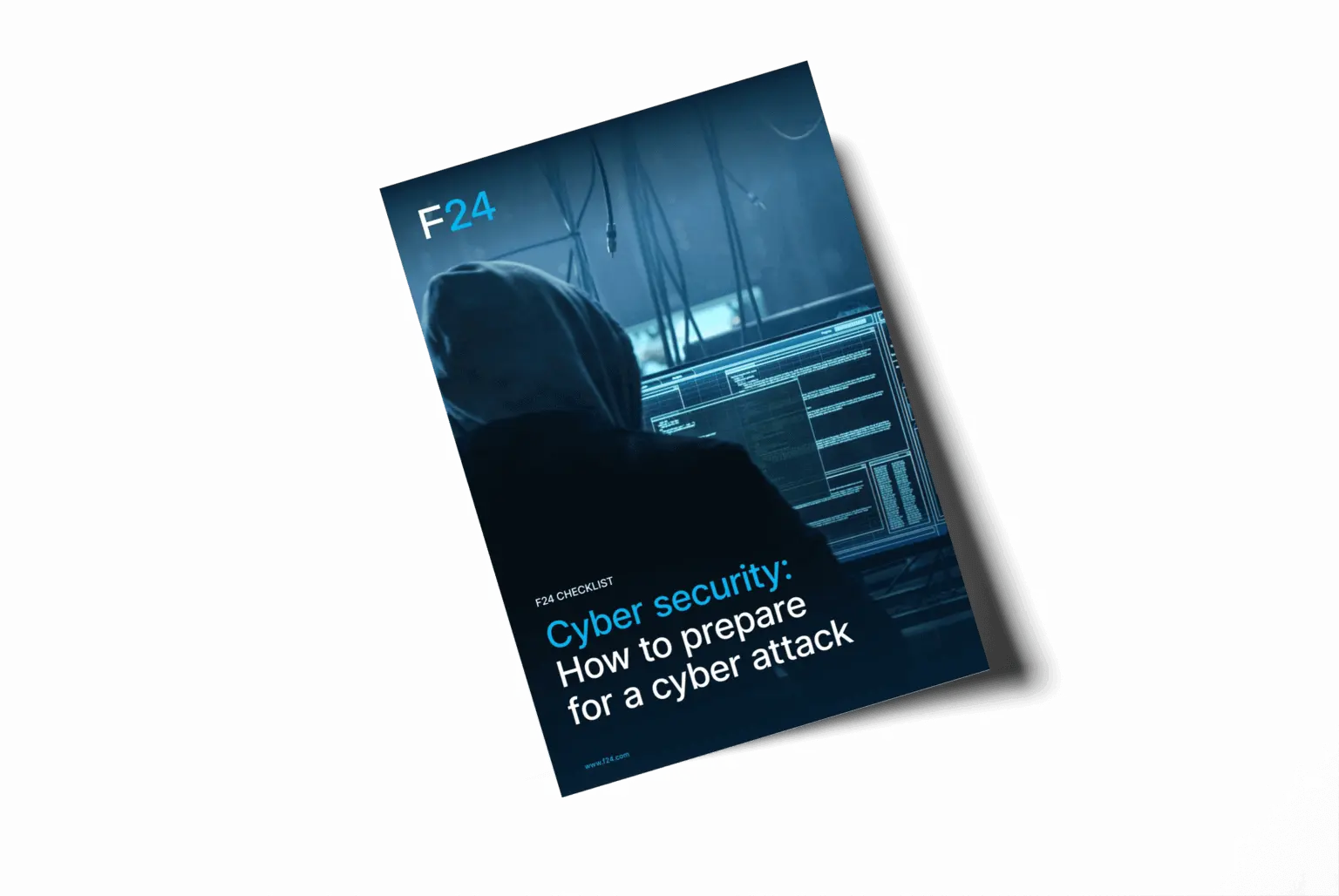
Could you keep operating during a cyberattack?
Cyber Security Checklist
Review practical measures to prepare for, respond to and limit the impact of a cyber attack including exercises, alternative communication and ways to operate when normal IT systems are unavailable.
Download the guide here:
Download the guide here:
Download the checklist here:
Download the checklist here:
From plans to robust Crisis Readiness
Crisis Readiness is not a fixed status. It develops when organisations repeatedly test critical capabilities, learn from the results and verify that improvements work in practice.
A documented capability is only the starting point. It describes how an organisation intends to respond, but it does not demonstrate whether people, processes and systems will perform as expected under pressure.
Testing replaces assumptions with observations. Validation turns those observations into evidence. Improvement ensures that identified gaps are addressed and that the capability is tested again to confirm that the changes work.
Because teams, responsibilities, technologies and risks continually change, readiness cannot be established once and considered complete. Critical capabilities need to be reviewed and retested regularly.
Defined tells you what should happen. Validated shows you what actually happens.

FAQs
Ready to put your plans to the test?
Start with one critical capability and use the practical F24 resources to find out what already works and where your organisation can improve.
Would you like to find out how F24 can help strengthen your organisation’s crisis readiness?